How to Organize Refrigerator Storage Properly: A Practical Guide

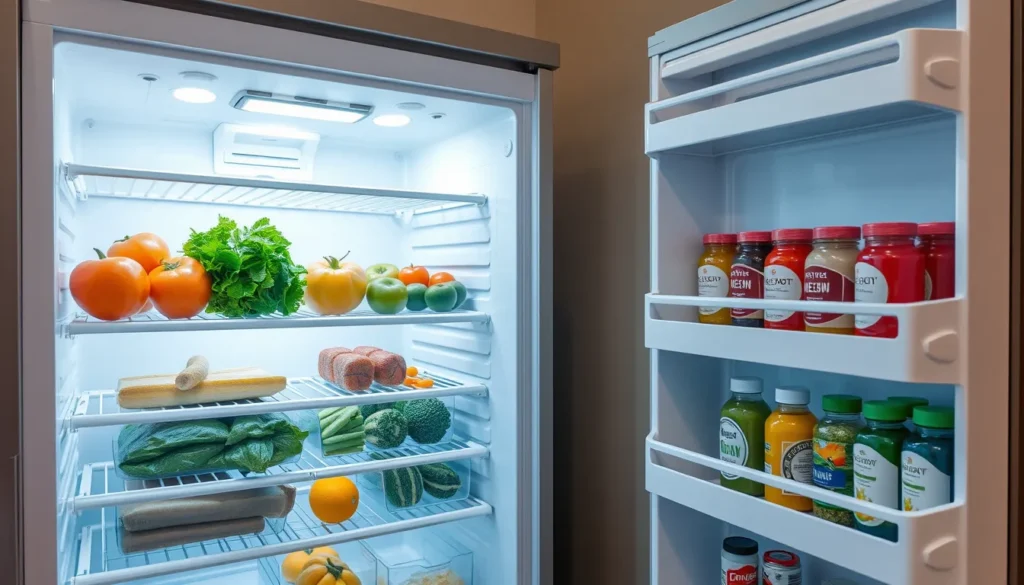
If you find your fridge crowded, confusing, or prone to spoilage, this guide offers a practical system for how to organize refrigerator storage properly. It focuses on food safety and temperature zones rather than just visual appeal. You will learn a logical placement strategy that extends shelf life and reduces waste by making items easier to find.
This approach is for anyone seeking a consistent, efficient routine. By understanding airflow and cross-contamination risks, you can create a safe environment for your food. The goal is simple: keep your refrigerator organized so that every item stays fresh and accessible, minimizing the need to dig through cluttered shelves daily.
Understanding Temperature Zones and Airflow
Opening the door reveals a cavity that is not uniformly cold. Temperature zones vary significantly from top to bottom and front to back. The coldest spots typically sit at the rear of the middle shelves or along the bottom shelf, where cold air naturally settles. Conversely, the door and top shelf hold the warmest air. This gradient is critical for food safety. Placing raw meats in the warmest zone risks cross-contamination and bacterial growth, while storing cooked leftovers in the coldest zone may freeze them prematurely.
Airflow drives these temperature zones. Refrigerator coils usually run along the back wall, pushing cold air downward and across the shelves. Blocking the rear vents with oversized containers disrupts this circulation. When airflow is obstructed, the compressor works harder to maintain set temperatures, reducing efficiency and creating inconsistent cold spots. Items placed directly against the back wall may freeze, while those in front remain too warm.
To organize effectively, map your storage to these physical realities. Reserve the lower, colder shelves for raw proteins. Use the middle shelves for ready-to-eat foods. Keep the door for sealed, heat-tolerant items like condiments. By respecting airflow and temperature zones, you create a stable environment that extends shelf life without relying on manual adjustments.
Prioritizing Food Safety: The Hierarchy of Placement
- Raw meats and poultry: Place these on the very bottom shelf. This is non-negotiable for health. Any juices that leak or drip will fall onto the shelf below, away from other food items. Keeping raw proteins isolated prevents cross-contamination from spreading bacteria to surfaces and adjacent containers.
- Ready-to-eat foods: Store cooked meats, deli slices, leftovers, and dairy on shelves directly above the raw meat section. Since these items are consumed without further cooking, protecting them from potential drips or airborne bacteria is critical. Never place raw chicken or ground beef above yogurt, salad, or cooked turkey.
- Produce and leftovers: While often grouped, raw vegetables can harbor soil bacteria. Keep them in designated drawers rather than mixing them loosely with cooked foods. This separation maintains hygiene and keeps the refrigerator organized by risk level.
This hierarchy ensures that gravity works in your favor. Even if a package leaks, the damage is contained to the lowest point. By strictly enforcing this vertical order, you eliminate the primary vector for cross-contamination. It also simplifies cleanup, as you only need to wipe the bottom shelf if an incident occurs. Adhering to this placement rule protects the shelf life of sensitive items and reduces the risk of foodborne illness for your household.
Optimizing the Door and Shelves for Daily Use
The refrigerator door is the warmest zone due to frequent opening and closing. Because of these temperature fluctuations, avoid storing perishable items like milk, eggs, or raw meat here. Instead, use this space for condiments, fruit juices, and bottled beverages. These products are pasteurized or have higher acid levels, making them more resilient to minor heat spikes. This strategic placement preserves the colder, more stable interior air for sensitive foods, extending their overall shelf life.
Shift frequently used items to the middle shelves. This placement minimizes the time the door remains open, helping the unit maintain consistent airflow and temperature. It also follows the eye-level principle, ensuring you see what you have without digging through lower bins or reaching into hard-to-access spots. When everything is visible, you are less likely to overlook items until they spoil.
Keep the door organized by grouping similar items together. Use a small basket for condiments and keep drinks in a dedicated section. This prevents clutter from spilling onto adjacent shelves. By clearly defining what belongs where, you create a logical system that reduces decision fatigue and makes daily retrieval faster. This efficiency supports the broader goal of minimizing waste and keeping your fridge clean and safe.
Managing Produce and Moisture Control
Produce requires specific attention to moisture levels to prevent premature decay. Most refrigerators feature crisper drawers designed to regulate humidity, but you must use them strategically. High-humidity settings work best for leafy greens, herbs, and cucumbers, which lose water quickly and wilt easily. Low-humidity settings are ideal for fruits and vegetables that release significant moisture, such as mushrooms or berries, helping to keep them crisp.
A critical factor in extending shelf life is managing ethylene gas, a natural plant hormone that accelerates ripening. Ethylene-producing items like apples, avocados, and tomatoes should be stored separately from ethylene-sensitive vegetables like broccoli, spinach, and carrots. Keeping these groups apart prevents the sensitive items from over-ripening and spoiling before you can use them.
Finally, dryness is your best defense against mold. Never store washed produce in the crisper drawers unless it is thoroughly patted dry. Residual water on the surface creates a breeding ground for mold spores. If you cannot use fresh produce immediately, wrap it in paper towels to absorb excess moisture, then place it in the appropriate humidity drawer. This simple step significantly reduces the risk of cross-contamination and food waste.
Implementing a First-In, First-Out System
Static organization fails if items rotate incorrectly. A First-in, First-Out (FIFO) system ensures older stock is used before newer purchases expire. This dynamic habit is as critical as placing items in the correct temperature zones. Without it, unopened packages often hide behind fresh buys, leading to spoilage and waste.
When restocking, slide existing items forward. Place new purchases directly behind them. This physical arrangement forces you to consume the oldest food first, extending the effective shelf life of your inventory. It requires minimal effort during weekly shopping but drastically reduces the frequency of tossing expired goods.
Visibility is essential for tracking age. Use clear containers for leftovers and prepped ingredients so you can see contents at a glance. For opaque containers, label them with the storage date using a permanent marker or masking tape. A simple date check takes seconds and prevents guessing. This transparency bridges the gap between a tidy fridge and an efficient one, ensuring that airflow and placement rules are supported by consistent daily habits.
Maintenance and Regular Resetting
- Weekly 10-Minute Check: Once a week, scan for expired items and discard anything past its prime. This prevents forgotten food from spoiling unnoticed in the back and keeps the shelf life of remaining items intact. It is also the best time to rotate stock, ensuring newer items are placed behind older ones to maintain a strict first-in, first-out (FIFO) workflow.
- Monthly Deep Clean: Every month, remove all items, wipe down shelves and drawers, and inspect gaskets. Clutter is the enemy of proper organization. Piled boxes and crowded containers block essential airflow, causing temperature fluctuations that accelerate spoilage. When items are hidden, you are less likely to use them, leading to waste. A clear space allows you to see everything at a glance, making it easier to maintain the correct temperature zones and preventing cross-contamination by keeping raw meats separated and contained.
Consistency matters more than perfection. If you miss a week, do not skip the next one. Treat this routine as a maintenance task for your kitchen’s efficiency. By keeping the interior uncluttered, you ensure that cold air circulates freely, extending the freshness of produce and dairy. This simple habit transforms a chaotic appliance into a reliable storage system, reducing food waste and making daily meal prep faster and less stressful.
